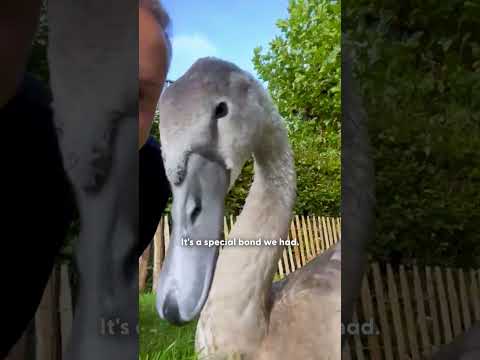
What Is Baby Swan Care and Bonding?
A baby swan, or cygnet, forms incredibly strong bonds with its caregiver during the first weeks of life. When a cygnet loses its mother or is hand-raised, it imprints on the person providing food and comfort. This means the bird sees that person as its parent and seeks constant physical contact, cuddles, and reassurance. This behavior is natural in the wild with swan parents, but when humans take on the role, the bird's demands for attention become intense and lifelong. Understanding imprinting is essential for anyone involved in wildlife rehabilitation or considering swan care.
Understanding Imprinting and Early Bonding
Imprinting occurs during a critical window in a bird's early development. Baby swans are highly social creatures that depend entirely on their parents for survival, warmth, and guidance. When a human becomes the primary caregiver, the cygnet bonds as if that person is its biological parent. This explains why rescued or orphaned cygnets demand constant cuddles, follow their caregivers everywhere, and panic when separated. The bond is genuine and powerful, not something the bird can simply outgrow.
Wildlife rehabilitation centers understand this challenge. Caregivers must balance providing necessary comfort with preventing over-attachment. Some facilities use puppet heads resembling adult swans or place cygnets with other young birds to encourage natural social behavior. However, once imprinting happens, the attachment is permanent. This is why rehabilitation specialists emphasize minimizing human contact during the earliest stages whenever possible.
Practical Considerations for Cygnet Care
If you find an orphaned or injured baby swan, contact local service professionals near you who specialize in wildlife rehabilitation. These experts have the knowledge and resources cygnets need.
Caring for a young swan requires specific preparations. You'll need proper enclosures, appropriate food (specialized waterfowl pellets, not bread), clean water for swimming, and safe spaces for sleeping. Temperature control is critical during the first weeks. Cygnets also need veterinary care from avian specialists. Having a dog first aid kit on hand is helpful for minor injuries, though professional avian care is always preferable.
The cuddle demands mentioned in viral videos are real but unsustainable long-term. A cygnet that demands 24/7 contact cannot be left alone, taken to school, or maintained in a normal household. This is why most cygnets should be raised in rehabilitation facilities where trained staff can manage imprinting carefully and eventually release them into appropriate habitats with other swans.
The Reality of Pet Swan Companionship
While the idea of a devoted swan companion sounds charming, the reality is complicated. Swans are wild animals with specific needs that domestic settings cannot provide. They require large bodies of water, specific diets, and eventually, access to other swans for mating and social development. An imprinted swan kept in isolation becomes stressed and unhappy, despite constant human attention.
In many regions, keeping swans as pets is illegal without permits. Even with permits, ethical concerns remain. A swan that imprints on a human cannot develop natural swan behaviors or breed successfully. Releasing it into the wild after years of human care usually results in the bird's death, as it lacks survival skills and proper social integration with wild swan populations.
The heartwarming videos of cygnets demanding cuddles represent a single moment in time, not a sustainable or ethical long-term situation. Most responsible wildlife rehabilitators work intentionally to minimize cuddling and human contact, preparing cygnets for eventual release rather than permanent captivity.
Conclusion
Baby swan care requires expertise, resources, and a commitment to the bird's long-term welfare. Imprinting is a powerful biological process that creates genuine bonds but also creates lifelong complications if the cygnet remains in human care. If you encounter an orphaned cygnet, the kindest action is contacting trained wildlife rehabilitators who can provide appropriate care and work toward successful release. These professionals understand the science behind human-animal bonding and prioritize what's truly best for the bird's survival and wellbeing.