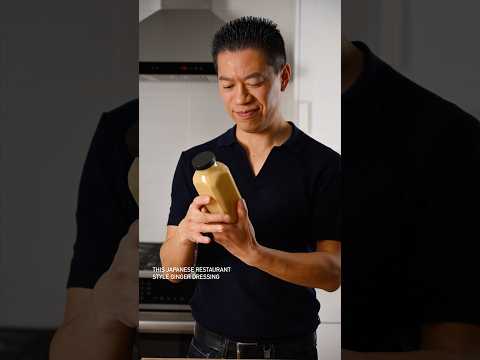
What Is Japanese Ginger Dressing and Why Make It at Home?
Japanese ginger dressing is a tangy, creamy condiment that elevates any salad. The main ingredients are fresh ginger, soy sauce, rice vinegar, and sesame oil. You can make it in 10 minutes with basic kitchen tools. Store-bought versions contain preservatives and extra sugar. Homemade dressing tastes fresher and costs less. This recipe works on greens, vegetables, and even grilled proteins.
Essential Ingredients for Authentic Flavor
The foundation of Japanese ginger dressing starts with quality ingredients. Fresh ginger root is non-negotiable. Use a piece about the size of your thumb. Soy sauce adds umami depth. Rice vinegar provides brightness without harshness. Sesame oil brings nutty richness. Mirin or honey sweetens the balance. Garlic and a pinch of salt round out the profile.
When preparing ingredients, a sharp Chef's Knife (8" German Steel) makes ginger mincing fast and consistent. Press the flat blade on ginger to break fibers first. This releases more flavor into your dressing.
The ratio matters. Use 2 tablespoons ginger, 3 tablespoons soy sauce, 2 tablespoons rice vinegar, 1 tablespoon sesame oil, and 1 tablespoon honey. Adjust to taste.
Mixing Techniques That Work
You have two methods: blended or chunky. For smooth texture, combine all ingredients in a food processor or blender. Blend 30 seconds until uniform. This style coats salad evenly and works well on delicate greens.
For chunky style, mince ginger finely by hand and whisk all components in a bowl. This preserves ginger texture and appeals to those who want visible ingredients. The chunky version actually tastes stronger because ginger oils remain concentrated.
Pro tip: add a tablespoon of water or dashi broth to thin the dressing. This helps it distribute better. Shake or whisk again before each use since oils separate naturally.
Temperature matters too. Room temperature ingredients blend better than cold ones. Let ginger and oils sit for five minutes before mixing.
Storage and Serving Tips
Transfer finished dressing to a glass jar with a tight lid. Refrigerate for up to one week. The flavors actually improve after 24 hours as ingredients meld. Shake vigorously before pouring each time.
This dressing pairs with cucumber salad, spinach, mixed greens, or shredded daikon. You can also use it as a marinade for grilled chicken or tofu. Pour it over warm rice as a light sauce.
If you're scaling recipes for meal prep, check out Buy Local Directory to find specialty Asian grocery stores near you. Fresh ginger and quality soy sauce make a real difference.
For those serious about kitchen efficiency, consider investing in a Instant-Read Food Thermometer when cooking proteins to serve alongside your salads. Proper doneness ensures your meal comes together perfectly.
Building Your Japanese Cooking Skills
Making ginger dressing teaches fundamental sauce skills. You learn balance: acid, salt, oil, and sweetness. You practice emulsification without heat. You understand how Asian flavors work together.
These same principles apply to other Japanese dressings like ponzu, sesame, and miso-based versions. Once you master the technique, variations come easily.
Japanese cuisine emphasizes quality ingredients and simple preparation. It's not about fancy equipment. A good knife, a mixing bowl, and fresh ingredients get you far. That said, if you're diving deeper into Japanese cooking, a Cast Iron Skillet Set (Pre-Seasoned) opens doors for cooking vegetables, proteins, and even traditional dishes that benefit from high-heat cooking and even browning.
Final Thoughts
Japanese ginger dressing is an easy win for home cooks. The ingredient list is short. The process is straightforward. The results taste restaurant-quality. Start with this recipe, taste as you go, and adjust to your preference. Within a few attempts, you'll develop your signature version. This dressing becomes a kitchen staple you make weekly.