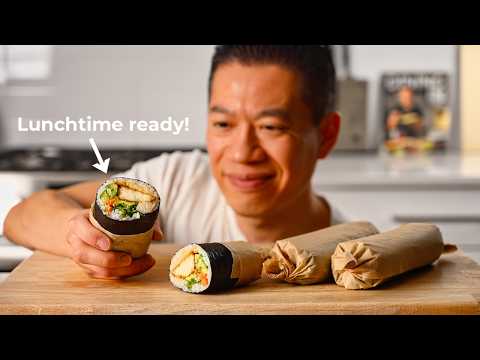
The Perfect On-the-Go Lunch Recipe: Your Weekly Solution
Making the same lunch every week saves time, money, and stress. A solid meal prep lunch works in your office, car, or gym bag without getting soggy or spoiling. The best recipes combine simple ingredients, proper storage, and 30 minutes of cooking time. This approach means you prep once on Sunday and eat well all week.
Why Weekly Meal Prep Works
Meal prep eliminates decision fatigue. You're not scrambling at 7 AM wondering what to eat. You've already got five identical lunches portioned and ready. This consistency also makes shopping easier. You buy exactly what you need instead of impulse groceries.
The financial benefit is real too. Restaurant lunches cost $12 to $18 per meal. A prepped lunch costs $3 to $5. Over a year, that's a $2,000 difference. Meal prep also helps with portion control. Restaurants serve oversized portions. When you pack your own, you control the calories.
The Recipe: Simple, Portable, and Delicious
Start with a protein base. Chicken breast works best for meal prep because it stays fresh longer and pairs with anything. Season generously with salt, pepper, garlic, and paprika. Cook it in a cast iron skillet set for even heat distribution and better browning. Cast iron also lasts decades and seasons naturally over time.
Add a complex carb next. Brown rice, quinoa, or sweet potatoes work well. These hold moisture and don't dry out during the week. Roast sweet potatoes with olive oil and cinnamon. Cook brown rice in an Instant Pot Duo 7-in-1 pressure cooker to save 40 minutes. The Instant Pot also cooks chicken perfectly in 12 minutes at high pressure.
Fill half your container with vegetables. Broccoli, bell peppers, and snap peas travel well and stay crisp. Roast them lightly with oil so they don't get rubbery. Add a simple dressing on the side. Olive oil, lemon juice, and Dijon mustard blend in a mason jar and stays fresh.
Practical Cooking Tips for Success
Use a sharp knife to cut ingredients consistently. A chef's knife with 8-inch German steel makes prep 50 percent faster. Consistent cuts mean even cooking. Buy pre-seasoned blades to avoid sharpening hassles.
Cook proteins to the right temperature every time. An instant-read food thermometer takes the guesswork out. Chicken reaches safety at 165 degrees Fahrenheit. Pork at 145 degrees. A thermometer costs $15 and prevents foodborne illness.
Prep everything the same day. Don't cook proteins Monday and vegetables Wednesday. Bacteria multiplies when you store partially cooked food. Cook everything in one session. This also keeps your kitchen cleaner since you're only dirtying equipment once.
Cool cooked food before containers go in the fridge. Hot food raises fridge temperature and promotes bacterial growth. Let proteins rest 15 minutes after cooking. Then portion into glass containers. Glass keeps flavors from transferring and lasts longer than plastic.
Storage and Rotation
Label containers with the prep date. Cooked chicken lasts five days. Vegetables last up to six days. Rice lasts seven days. Pack your lunch the night before so it's grab-and-go in the morning. This works whether you're heading to the office or packing for a road trip.
Keep your containers organized. Use matching glass containers so they stack neatly. Store them on the same shelf in your fridge. This creates a visual cue that reminds you to eat your prep instead of ordering takeout.
Conclusion
A perfect on-the-go lunch recipe is simple, repeatable, and delicious. Pick one recipe you genuinely enjoy eating. Cook it every Sunday. Pack it Sunday evening. Eat it Monday through Friday. After two weeks, it becomes automatic. You'll save thousands of dollars yearly while eating better than you would buying lunch daily. Start this week with quality tools and a simple recipe.