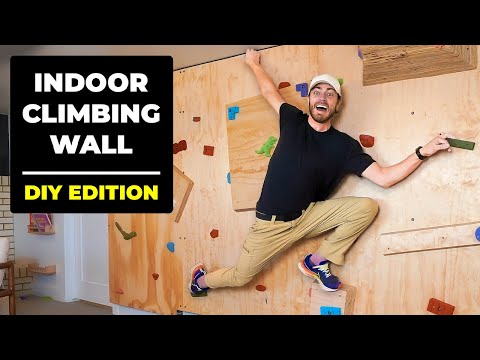
Can You Build an Indoor Rock Climbing Wall?
Yes, you can build an indoor rock climbing wall at home. Most people can complete a basic climbing wall in a garage, basement, or spare room with standard tools and materials. You'll need plywood, wooden studs, climbing holds, and fasteners. The project typically takes a weekend or two. The final cost ranges from $200 to $1,000 depending on wall size and hold quality. No special construction experience required.
Plan Your Wall Design and Space
Start by choosing your location and measuring the available wall space. Garages, basements, and attics work best. You need at least 8 feet of height and 4 feet of width for a functional climbing wall. Check for studs behind existing walls using a stud finder. If you're unsure about load-bearing capacity or structural concerns, find local service pros near you who can assess your space safely.
Decide on the angle of your wall. Vertical walls are easiest for beginners. Slightly angled walls (10-20 degrees) add challenge. Overhanging walls require advanced skills and stronger fastening. Most home climbers start with vertical or slightly angled designs.
Sketch your layout before buying materials. Note ceiling height, floor space, and electrical outlets nearby. Consider ventilation and lighting. A well-lit wall prevents injuries and makes climbing safer. Plan the route of your climbing path ahead of time.
Gather Materials and Build the Frame
Purchase 3/4-inch plywood sheets and 2x6 or 2x8 wooden studs. You'll also need 1/2-inch plywood for backing if attaching to drywall. Get climbing holds in various sizes and shapes. Rock climbing holds come in jugs, crimps, slopers, and pockets. Start with a mix of beginner-friendly holds.
Buy T-nuts, bolts, and washers designed for climbing walls. Standard hardware store fasteners won't work safely. Climbing-specific fasteners distribute weight properly and prevent pull-through. Quality matters here. Don't cut corners on fastening hardware.
Build a frame using wooden studs. Attach studs vertically to floor and ceiling joists, spaced 16 inches apart. This creates solid anchor points for your plywood. Use 3-inch lag bolts into ceiling joists for extra security. Your frame must support body weight plus dynamic climbing movements.
Attach plywood sheets to your wooden frame using 2.5-inch wood screws every 6 inches. Stagger the seams between sheets. This creates a solid climbing surface that won't flex dangerously during use.
Install Holds and Test Safety
Drill holes in your plywood according to your planned climbing routes. Standard spacing is 8-12 inches apart, but vary it for different difficulty levels. Install T-nuts on the back side of plywood, then bolt holds from the front.
Start with large, obvious holds for beginner routes. Add smaller, trickier holds for intermediate climbers. Mix hold types to develop different grip strengths. Create 3-4 different routes with varying difficulty.
Test every hold with significant body weight before climbing. Push down hard and feel for any movement. Tighten any loose holds immediately. Check all bolts monthly. Climbing wall safety depends on consistent maintenance.
Add padding below your wall. Use crash mats or thick foam tiles. Falls happen during climbing, and floor protection prevents serious injuries. Padding is non-negotiable safety equipment.
Ensure proper lighting. Shadows hide handholds and create unsafe climbing conditions. Install bright LED panels above and to the side of your wall. Good visibility prevents accidents and improves climbing technique.
Start Climbing and Build Your Skills
Begin with vertical routes using large holds. Master basic climbing movements before attempting angled or overhanging walls. Progress gradually as your strength and technique improve.
Warm up properly before each session. Climbing is demanding on shoulders, elbows, and fingers. Proper form prevents injury. Start with easy routes, then progress to harder problems.
Track your improvements over time. Add new holds and create fresh routes every few weeks. This keeps climbing interesting and challenges your developing skills.
Building an indoor rock climbing wall transforms your home gym into a versatile training space. The project is achievable for most homeowners and delivers years of fitness benefits. Start simple, prioritize safety, and enjoy the climbing journey.